

FeelSync™ — Help Kids Identify Strong Emotions Before The Outburst Hits
The Magnetic Puzzle That Puts Big Emotions Front And Center
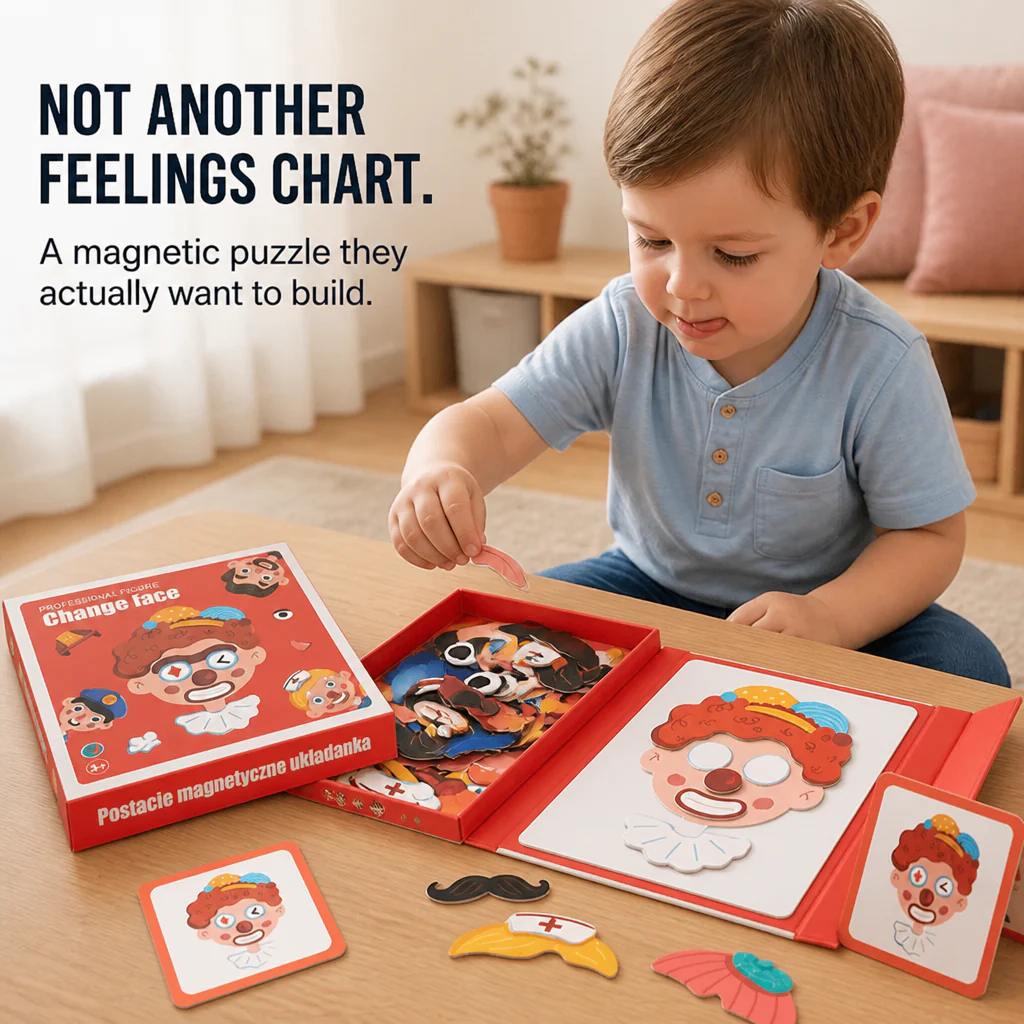
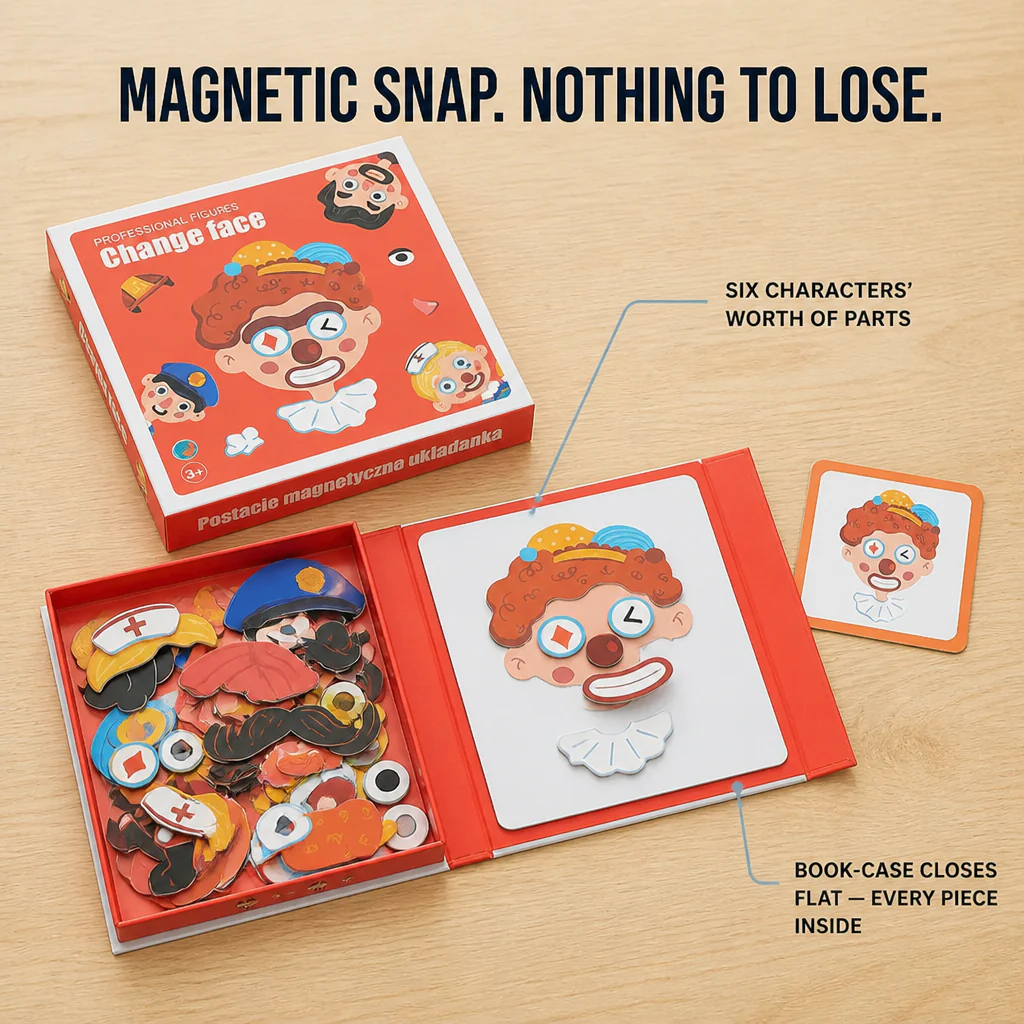
Your 3-to-7-year-old feels more than they can say — and tantrums fill the silence. FeelSync™ Emotion Puzzles give them six characters with magnetic eyes, mouths, and eyebrows to piece together. Snap on furrowed brows and a scrunched mouth, and suddenly “mad” isn’t just a word — it’s a face they created with their own hands.

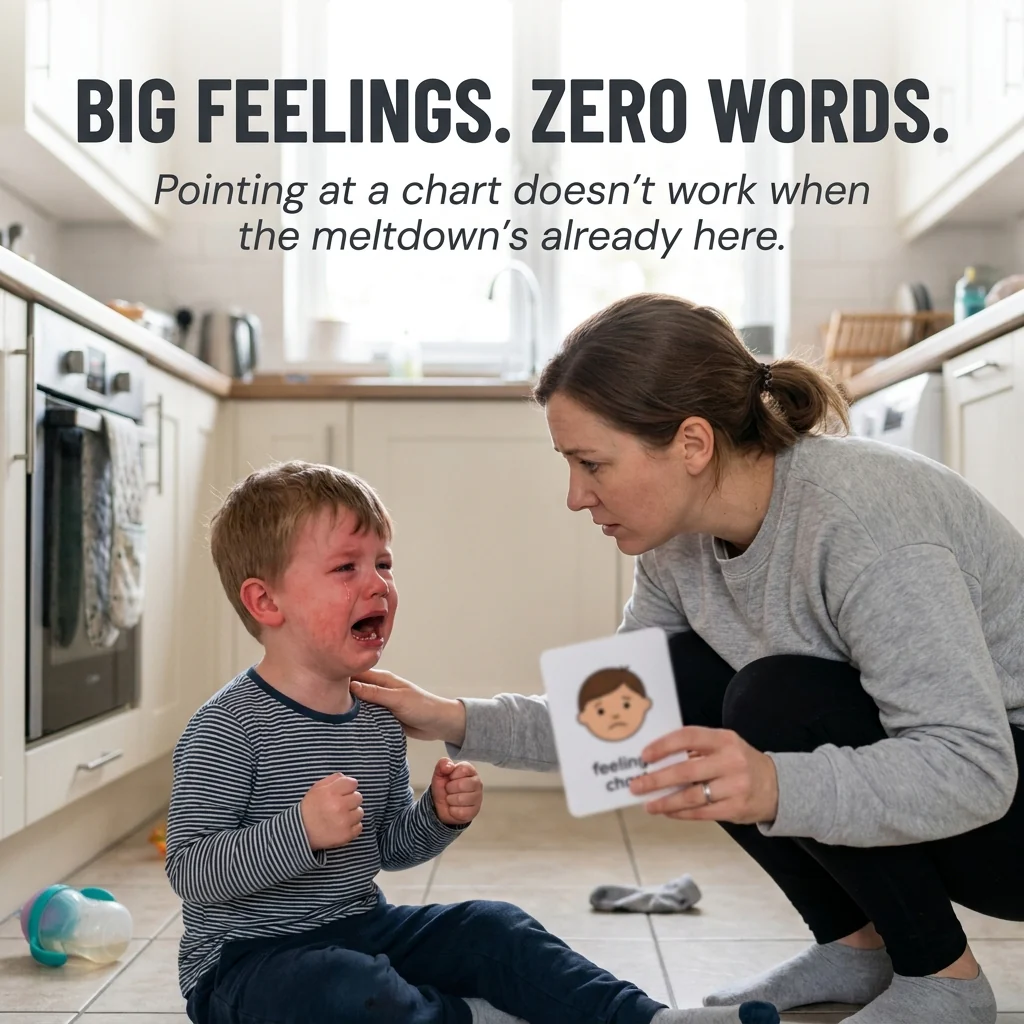
Why The Fridge Feelings Chart Isn’t Cutting It
Asking “how do you feel?” while pointing at a chart rarely connects with kids this age. Their vocabulary isn’t ready — they need to handle and interact, not just memorize. FeelSync™ makes naming emotions hands-on and inviting, so those words show up before the next tantrum, not only after.
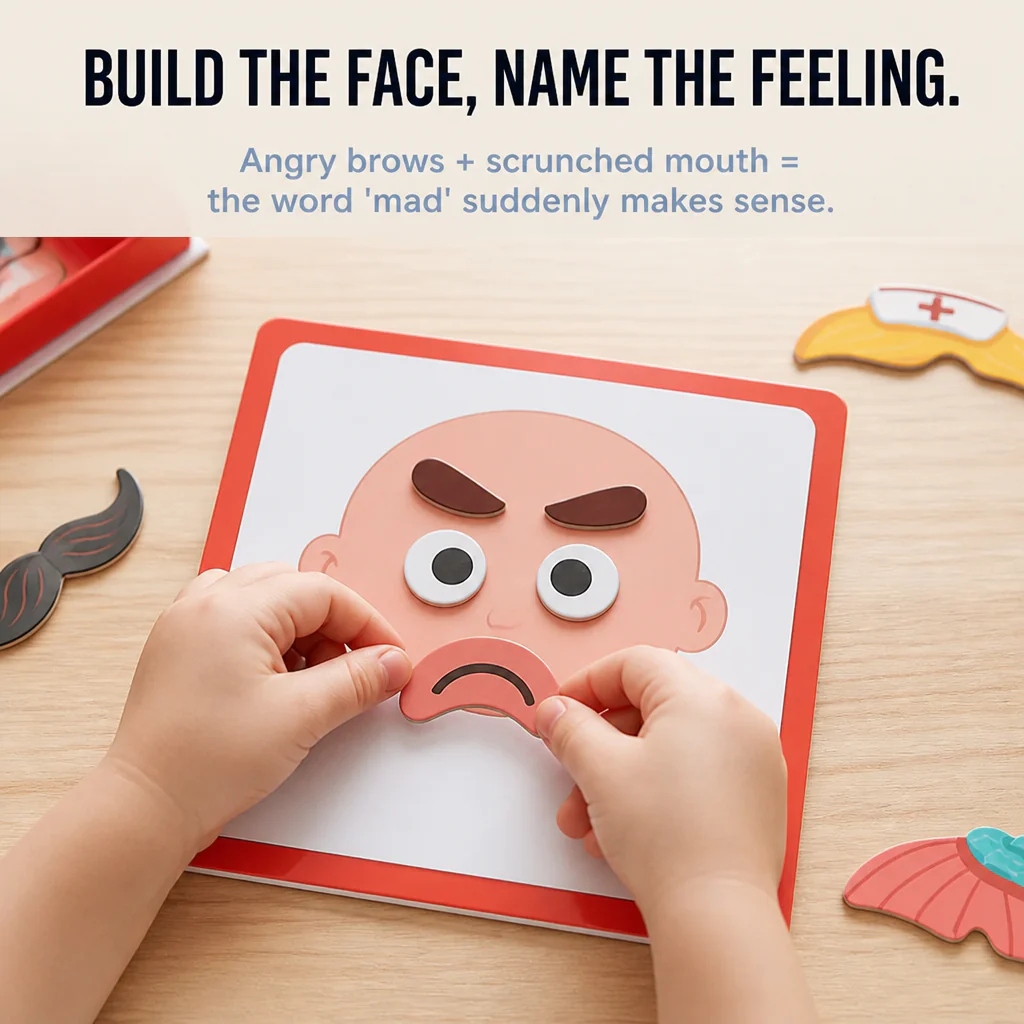
➤ Build The Face, Name The Feeling: Kids attach angry brows and a scrunched-up mouth onto a blank face — and suddenly “mad” has a real point of reference.
➤ Six Characters, Endless Mixes: Pirate, doctor, chef, clown, and more — fresh faces to create keep things fun well into week three.
➤ Closes Flat, Keeps All Pieces In: The magnetic folio folds like a hardcover book. No missing mustaches under the couch, no half-finished sets lost in toy chaos.

Why Magnetic Pieces Help Feelings Stick Better Than Words
Feeling words feel intangible to a 4-year-old. Give them angry slanted eyebrows, a round O-shaped mouth for “surprised,” and a downturned mouth for “sad” — then invite them to assemble. After several tries, “scared” stops being just a word and turns into two raised brows and a little mouth they've created themselves.
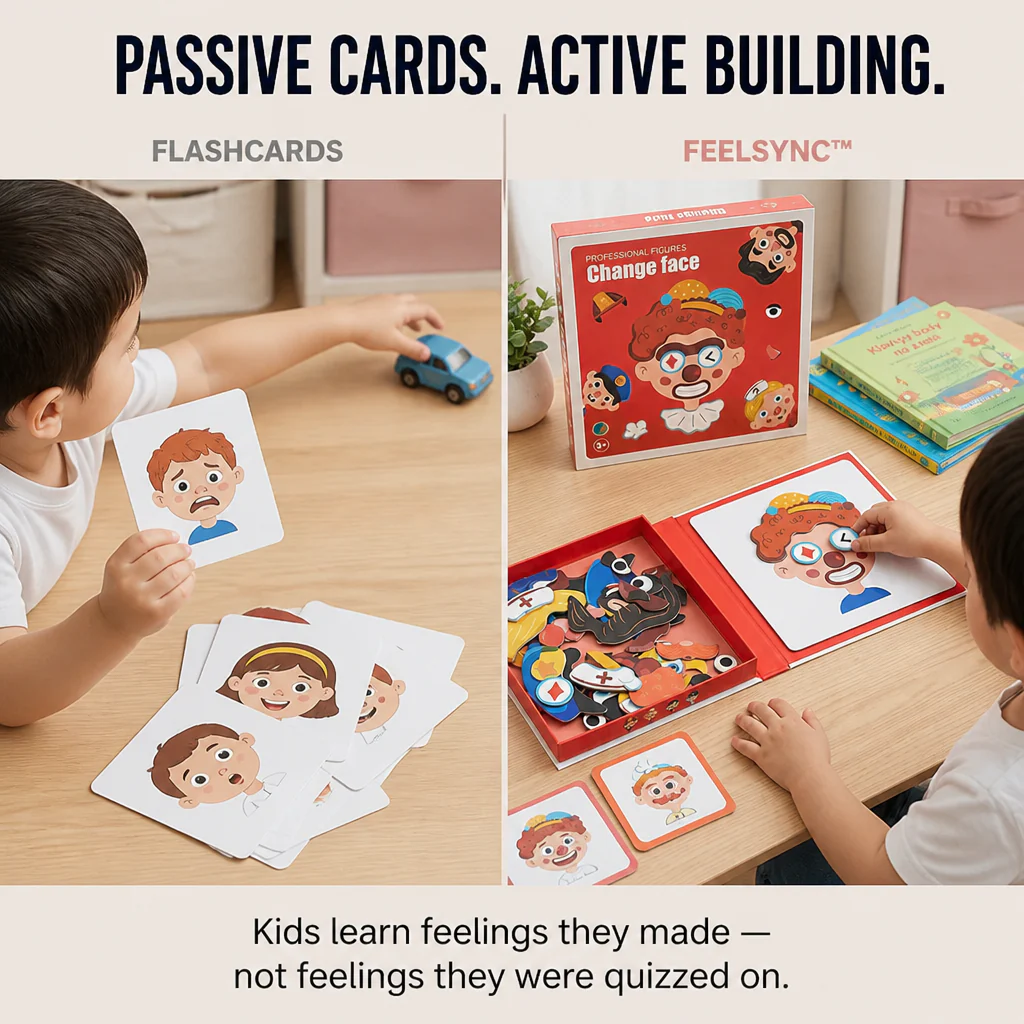
That’s the shift: from a forgettable flashcard to a face they built. The emotion becomes theirs to grasp, not a quiz you gave them.

Why Parents Keep Choosing This Over The Feelings Chart
Doubtful at first? Same here. Hannah grabbed it after one too many grocery-store meltdowns and a Pinterest pin she stared at for days. Three days later, her son was crafting “mad,” “silly,” and “scared” faces and telling her which reflected his mood. Here’s what other parents shared:
“Honestly didn’t expect it to work so quickly. By day three she was naming feelings I hadn’t realized she knew.” — Sarah M.
“Our OT recommended hands-on emotion play. This actually kept his focus, plus the case holds every piece. Twelve weeks later and it’s still a favorite.” — David L.

Imagine Your Child Naming The Feeling Before The Meltdown—Not After
✓ Grows Vocabulary During Calm Play: Kids learn the word for what their body’s feeling ahead of the big emotion — so it’s ready when they need it most.
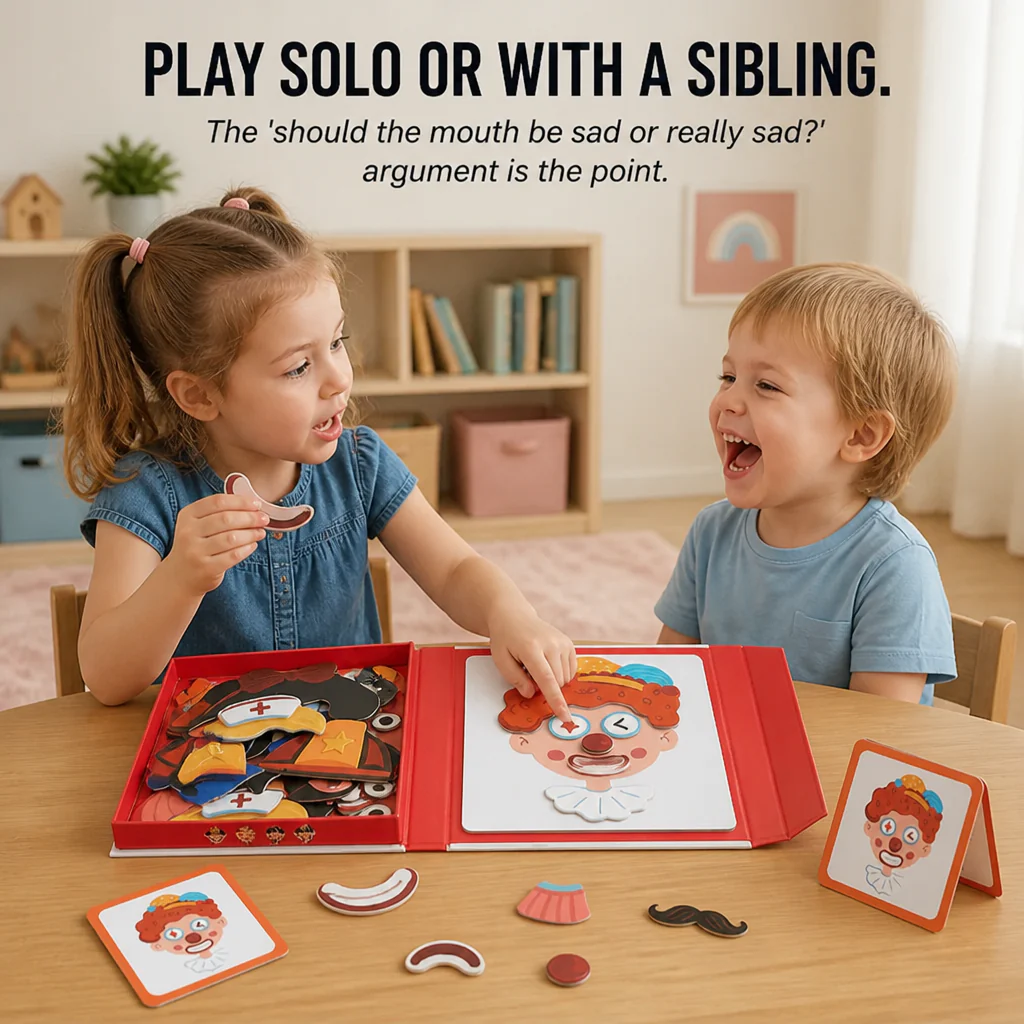
✓ Perfect For Solo Or Sibling Play: Quiet mornings, car trips, or friendly debates about whether the mouth is sad or “really sad.”
✓ Builds Lasting Emotional Skills: Vocabulary gained through play sticks — through kindergarten, tough talks, and grown-up life.
How To Grow Emotional Vocabulary In 3 Simple Steps
Step 1: Open the magnetic book — one side is the play board, the other holds all the parts.
Step 2: Choose a reference card or freestyle. Attach eyebrows, eyes, mouth, and hair to the face.
Step 3: Ask “what feeling does this face show?” and listen. The answers surprise fast.

| FeelSync™ Advantage | Flashcards & Charts | No Direction |
|---|---|---|
| ✅ Interactive magnetic pieces kids create with — each face is a feeling they shaped themselves | ❌ Static cards or charts that lose interest within minutes | ❌ Kids figure out big feelings solo — often while already mid-meltdown |
| ✅ Six characters with endless combos keep play engaging past week two | ❌ The same fridge chart months on end — kids ignore it | ❌ No structure, no words for what’s happening inside |
| ✅ Magnetic folio closes flat, every piece stays tucked inside | ❌ Cards scatter, books tear, charts come down | ❌ Random toys played with briefly and forgotten |
Specifications, Honestly Laid Out
- Magnetic Book-Case Build: Hardcover folio opens flat to a 48.5 × 20.5 cm play board and closes shut with every piece inside
- Right-Size Pieces: Magnetic face parts sized for small hands, paired with a 9 × 9 cm reference card library of six characters
- Certified Safety: Meets EN71 and ASTM toy safety standards — non-toxic printing, magnetic backing sealed inside the pieces
- Boxed Dimensions: 20.8 × 21 × 2.5 cm — slides onto a shelf, packs for car rides
- Built For Ages 3+: The 3–7 range is the sweet spot — 3s mimic the reference cards, 6s invent their own combinations
Your Questions, Honestly Answered
My kid is 3 — is this too advanced? Or 6 — too young?
Three-year-olds usually copy the reference cards and start pointing and naming. Six- and seven-year-olds create their own mixes and start telling stories about each face. Both ages gain from it — the play just looks different.
Are the magnets and small pieces actually safe?
Pieces are sized to meet small-parts safety tests, with non-toxic print and magnets sealed inside. The set complies with EN71 and ASTM toy safety standards.
Can siblings or friends play together?
Absolutely — and that’s when it shines. Two kids debating whether the mouth is sad or “really sad” is exactly the kind of talk this puzzle encourages.
My toddler isn't good with words yet — does this still help?
Sometimes it helps even more. Kids who can't name feelings yet can still point to the face they made and say “this one.” That’s a great starting point for any parent who’s been asking “how do you feel?” and getting “good.”
What if it ends up lost in the toy graveyard?
The magnetic folio is the secret — it folds flat, keeps every piece inside, and fits neatly on a shelf. Perfect to pull out for car rides, restaurants, or quiet moments. If it still doesn’t catch on within 60 days, check the guarantee below.

Designed For Tiny Hands, Approved By Fussy Parents
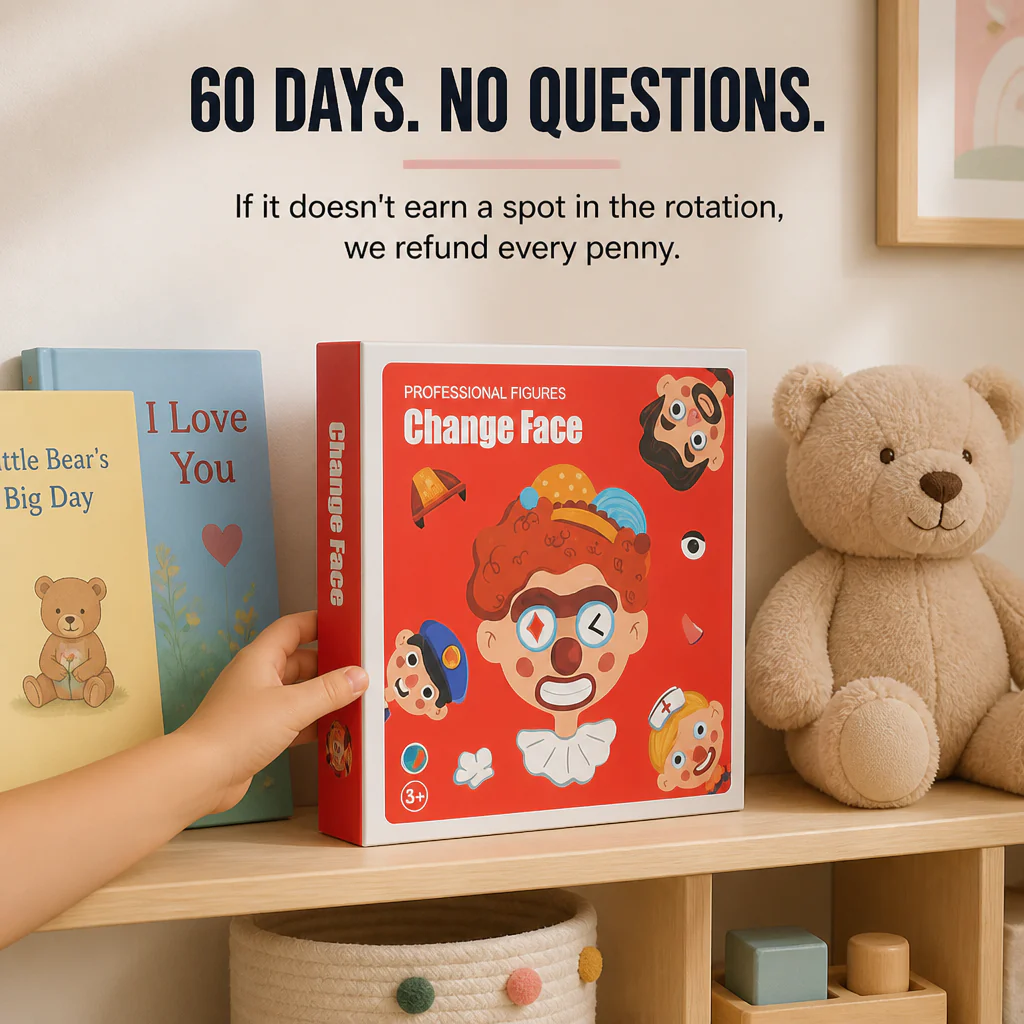
If FeelSync™ doesn’t become a favorite in your child’s lineup within 60 days, we’ll refund every cent. The magnets, the folio, the safety features — all built to survive the toy graveyard. Try it risk-free, and hear your kid say “I feel mad” for the first time, knowing exactly what they mean.
Original: $24.99
-70%$24.99
$7.50Product Information
Product Information
Shipping & Returns
Shipping & Returns
Description
The Magnetic Puzzle That Puts Big Emotions Front And Center
Your 3-to-7-year-old feels more than they can say — and tantrums fill the silence. FeelSync™ Emotion Puzzles give them six characters with magnetic eyes, mouths, and eyebrows to piece together. Snap on furrowed brows and a scrunched mouth, and suddenly “mad” isn’t just a word — it’s a face they created with their own hands.
Why The Fridge Feelings Chart Isn’t Cutting It
Asking “how do you feel?” while pointing at a chart rarely connects with kids this age. Their vocabulary isn’t ready — they need to handle and interact, not just memorize. FeelSync™ makes naming emotions hands-on and inviting, so those words show up before the next tantrum, not only after.
➤ Build The Face, Name The Feeling: Kids attach angry brows and a scrunched-up mouth onto a blank face — and suddenly “mad” has a real point of reference.
➤ Six Characters, Endless Mixes: Pirate, doctor, chef, clown, and more — fresh faces to create keep things fun well into week three.
➤ Closes Flat, Keeps All Pieces In: The magnetic folio folds like a hardcover book. No missing mustaches under the couch, no half-finished sets lost in toy chaos.
Why Magnetic Pieces Help Feelings Stick Better Than Words
Feeling words feel intangible to a 4-year-old. Give them angry slanted eyebrows, a round O-shaped mouth for “surprised,” and a downturned mouth for “sad” — then invite them to assemble. After several tries, “scared” stops being just a word and turns into two raised brows and a little mouth they've created themselves.
That’s the shift: from a forgettable flashcard to a face they built. The emotion becomes theirs to grasp, not a quiz you gave them.
Why Parents Keep Choosing This Over The Feelings Chart
Doubtful at first? Same here. Hannah grabbed it after one too many grocery-store meltdowns and a Pinterest pin she stared at for days. Three days later, her son was crafting “mad,” “silly,” and “scared” faces and telling her which reflected his mood. Here’s what other parents shared:
“Honestly didn’t expect it to work so quickly. By day three she was naming feelings I hadn’t realized she knew.” — Sarah M.
“Our OT recommended hands-on emotion play. This actually kept his focus, plus the case holds every piece. Twelve weeks later and it’s still a favorite.” — David L.
Imagine Your Child Naming The Feeling Before The Meltdown—Not After
✓ Grows Vocabulary During Calm Play: Kids learn the word for what their body’s feeling ahead of the big emotion — so it’s ready when they need it most.
✓ Perfect For Solo Or Sibling Play: Quiet mornings, car trips, or friendly debates about whether the mouth is sad or “really sad.”
✓ Builds Lasting Emotional Skills: Vocabulary gained through play sticks — through kindergarten, tough talks, and grown-up life.
How To Grow Emotional Vocabulary In 3 Simple Steps
Step 1: Open the magnetic book — one side is the play board, the other holds all the parts.
Step 2: Choose a reference card or freestyle. Attach eyebrows, eyes, mouth, and hair to the face.
Step 3: Ask “what feeling does this face show?” and listen. The answers surprise fast.
| FeelSync™ Advantage | Flashcards & Charts | No Direction |
|---|---|---|
| ✅ Interactive magnetic pieces kids create with — each face is a feeling they shaped themselves | ❌ Static cards or charts that lose interest within minutes | ❌ Kids figure out big feelings solo — often while already mid-meltdown |
| ✅ Six characters with endless combos keep play engaging past week two | ❌ The same fridge chart months on end — kids ignore it | ❌ No structure, no words for what’s happening inside |
| ✅ Magnetic folio closes flat, every piece stays tucked inside | ❌ Cards scatter, books tear, charts come down | ❌ Random toys played with briefly and forgotten |
Specifications, Honestly Laid Out
- Magnetic Book-Case Build: Hardcover folio opens flat to a 48.5 × 20.5 cm play board and closes shut with every piece inside
- Right-Size Pieces: Magnetic face parts sized for small hands, paired with a 9 × 9 cm reference card library of six characters
- Certified Safety: Meets EN71 and ASTM toy safety standards — non-toxic printing, magnetic backing sealed inside the pieces
- Boxed Dimensions: 20.8 × 21 × 2.5 cm — slides onto a shelf, packs for car rides
- Built For Ages 3+: The 3–7 range is the sweet spot — 3s mimic the reference cards, 6s invent their own combinations
Your Questions, Honestly Answered
My kid is 3 — is this too advanced? Or 6 — too young?
Three-year-olds usually copy the reference cards and start pointing and naming. Six- and seven-year-olds create their own mixes and start telling stories about each face. Both ages gain from it — the play just looks different.
Are the magnets and small pieces actually safe?
Pieces are sized to meet small-parts safety tests, with non-toxic print and magnets sealed inside. The set complies with EN71 and ASTM toy safety standards.
Can siblings or friends play together?
Absolutely — and that’s when it shines. Two kids debating whether the mouth is sad or “really sad” is exactly the kind of talk this puzzle encourages.
My toddler isn't good with words yet — does this still help?
Sometimes it helps even more. Kids who can't name feelings yet can still point to the face they made and say “this one.” That’s a great starting point for any parent who’s been asking “how do you feel?” and getting “good.”
What if it ends up lost in the toy graveyard?
The magnetic folio is the secret — it folds flat, keeps every piece inside, and fits neatly on a shelf. Perfect to pull out for car rides, restaurants, or quiet moments. If it still doesn’t catch on within 60 days, check the guarantee below.
Designed For Tiny Hands, Approved By Fussy Parents
If FeelSync™ doesn’t become a favorite in your child’s lineup within 60 days, we’ll refund every cent. The magnets, the folio, the safety features — all built to survive the toy graveyard. Try it risk-free, and hear your kid say “I feel mad” for the first time, knowing exactly what they mean.